

Explainer · implant healing abutments
What is a healing abutment? Types, sizes, when it goes in, and how it shapes the gum
A healing abutment is the small post screwed into a dental implant while the site heals. It passes through the gum so the soft tissue forms a collar around it instead of growing over the implant. Its shape decides the shape of that collar, which is why the choice between a stock cylinder and a custom, tooth-shaped abutment matters for the final crown.
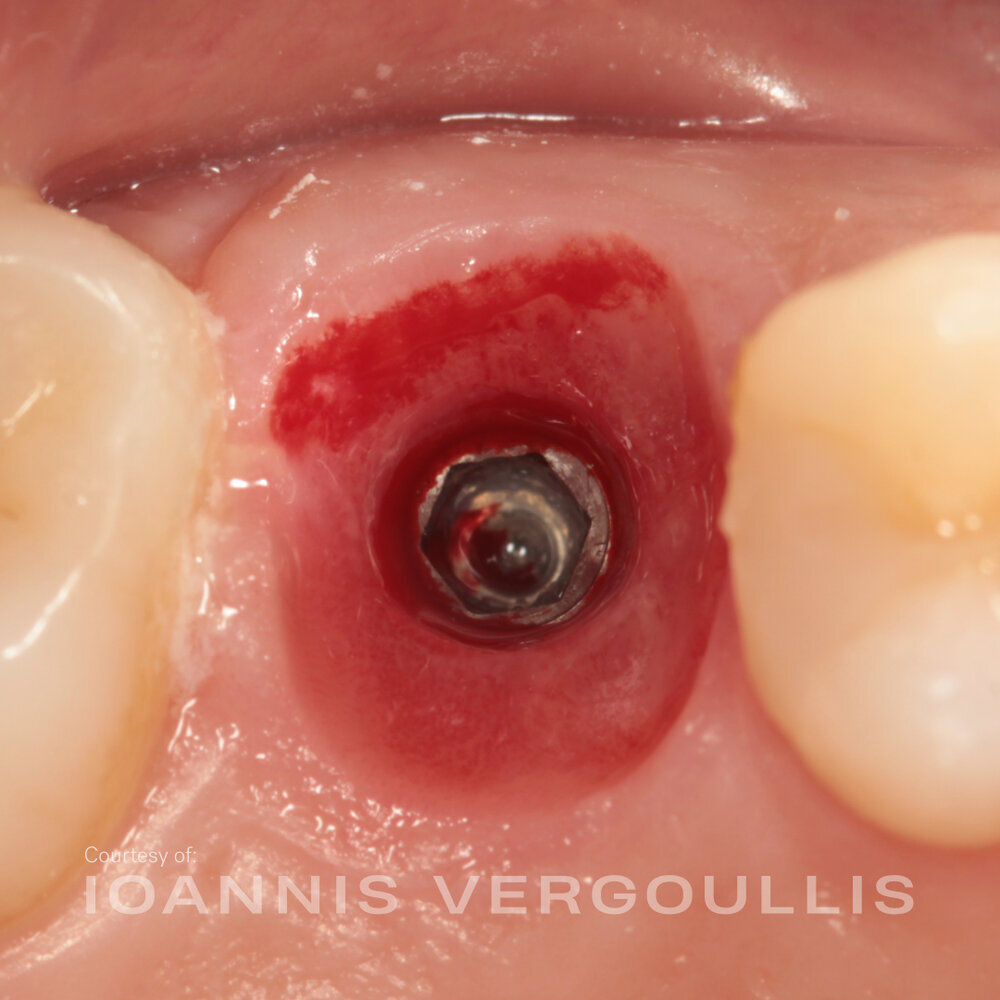
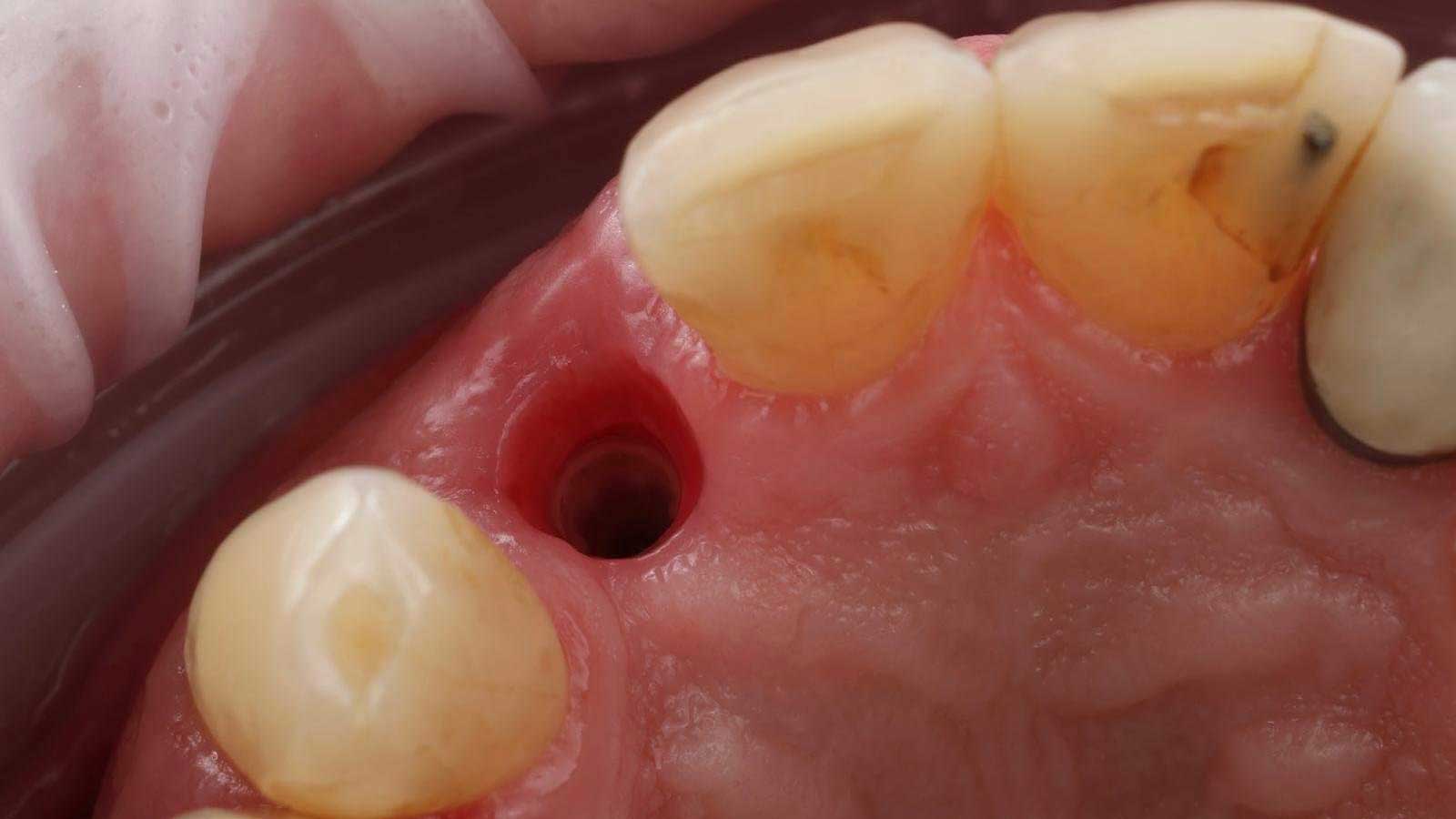
What a healing abutment does
After an implant is placed, the bone needs time to integrate with it. During that time the gum has to heal too. A healing abutment (also called a healing cap, healing collar, gingival former or healing screw) keeps the gum open over the implant and gives the soft tissue something to heal against. When it is removed, a channel through the tissue remains: the emergence profile that the final abutment and crown will pass through.
Healing abutment, cover screw, temporary abutment
| Part | Where it sits | Purpose | Typical use |
|---|---|---|---|
| Cover screw | Flush with the implant, under the gum | Seals the implant for submerged healing | Two-stage protocol; the site is reopened later |
| Healing abutment | Through the gum, above the tissue | Keeps the tissue open and shapes it | One-stage protocol, or placed at second-stage surgery |
| Custom (anatomical) healing abutment | Through the gum, shaped like the tooth | Shapes the tissue into the tooth’s cervical cross-section | Any protocol; at immediate placement it also seals the socket |
| Temporary abutment + provisional | Through the gum, with a crown on top | Shapes the tissue and restores the tooth provisionally | Immediate or early loading when the implant allows it |
Sizes: height and diameter
Stock healing abutments come in a range of heights (commonly 2 to 7 mm) and diameters matched to the implant platform. The height should clear the gum by about a millimetre; too short and the tissue grows over it, too tall and it interferes with the opposing teeth. The diameter is the compromise: a wide collar stretches the tissue, a narrow one leaves the crown to do the widening later.
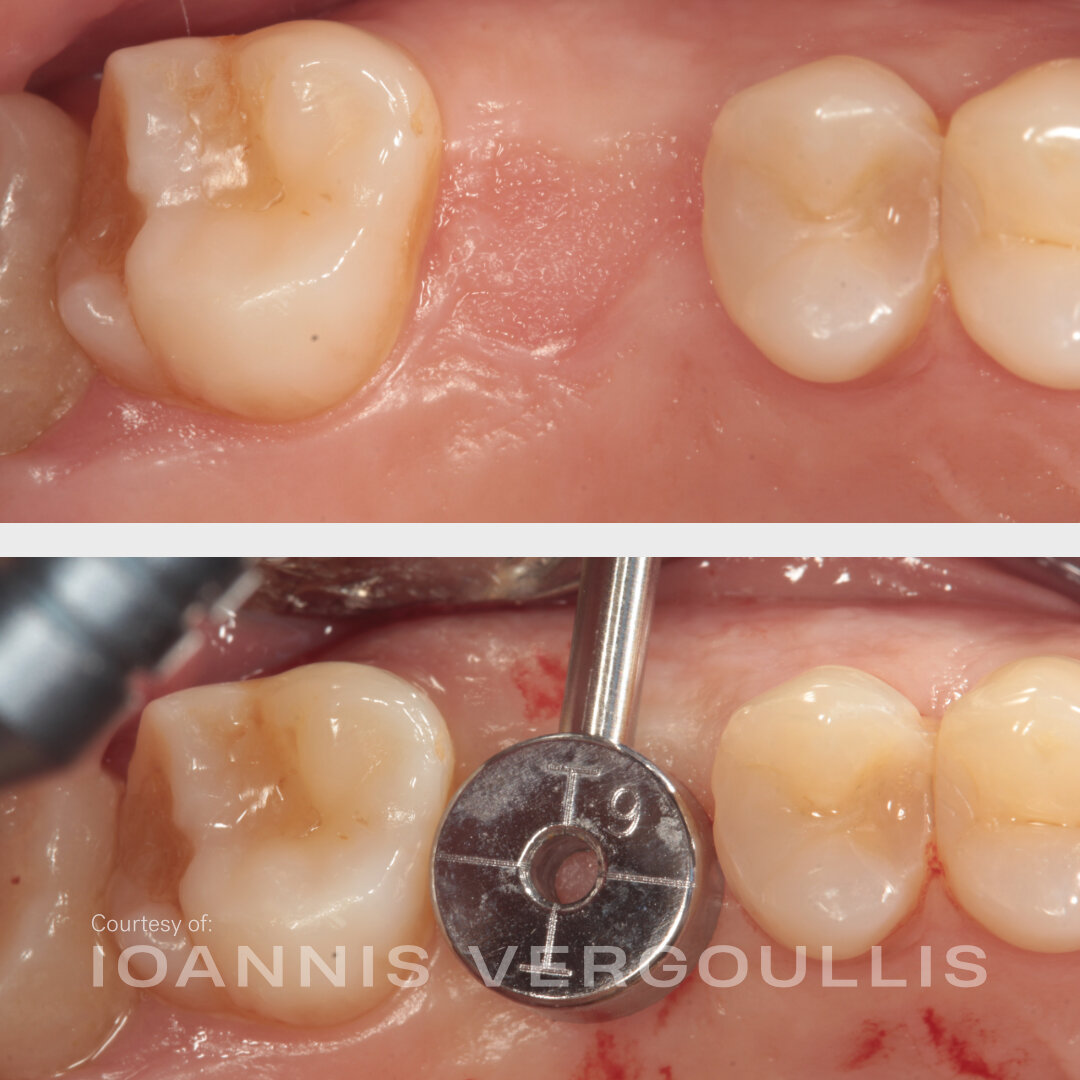
A custom healing abutment takes the diameter question away. Instead of choosing a round size, the abutment carries the cervical cross-section of the tooth: an oval for an incisor, a rounded square for a first molar, an elongated shape for a second molar. The Cervico Guide has twelve of these profiles in three sizes, and the clinician tries them in the mouth before the osteotomy.
Materials and types
- Titanium, cylindrical. The standard part from every implant company. Reliable, but round.
- PEEK, anatomical. Pre-shaped single-use abutments from some manufacturers, one design per platform and tooth group. Better than a cylinder, but the shape cannot be adapted to the case.
- Composite on a titanium temporary abutment. The custom route: flowable composite is shaped around the temporary abutment, cured and polished. It fits any implant system, can be adjusted at the chair, and the same shape can be duplicated for the impression post. Cervico makes this a five-minute chairside step; a lab can also mill or print one per case.

When it goes in, and how long it stays
In a one-stage protocol the healing abutment goes in at implant placement. In a two-stage protocol a cover screw is used first and the healing abutment is placed at second-stage surgery, once the bone has integrated. It stays until the implant has integrated; placed at uncovering, it stays until the tissue has matured, typically four to six weeks, longer where bone or soft tissue was grafted. A custom healing abutment can be placed at either stage; at immediate placement it also closes the socket over the graft.
Looking after it
Patients brush the abutment gently with a soft brush from the first days, avoid chewing hard food on it, and rinse as instructed. A loose abutment, tissue growing over it, or pain after the first week are reasons to come back. The abutment is removed and replaced by the impression post and, later, the final abutment and crown.
Why the shape matters for the crown
Whatever shape the healing abutment has is the shape the tissue keeps. A round collar means the restorative dentist has to push a tooth-shaped crown through round tissue, either compressing it at delivery or accepting a ridge-lap that traps plaque. Tissue that healed around an anatomical shape already matches the crown. That is the whole argument for a custom healing abutment, and the reason it is worth five minutes at the surgical appointment. The comparison of ways to make one is on custom healing abutments.
Common questions
What is the difference between a healing abutment and a cover screw?
A cover screw closes the implant under the gum for submerged, two-stage healing; the tissue is opened later to expose the implant. A healing abutment passes through the gum from the start (one-stage) or is placed at second-stage surgery, and the tissue heals around it.
What is the difference between a healing abutment and a temporary abutment?
A healing abutment only shapes and holds the soft tissue; nothing is attached to it. A temporary abutment carries a provisional crown. A custom healing abutment sits between the two: composite shaped on a temporary abutment, without a crown on top, which can later be built up into a provisional.
How long does a healing abutment stay in?
Until the implant has integrated; if it is placed at uncovering, until the tissue has matured, typically four to six weeks, longer in grafted or immediate sites. The treating clinician decides from the case, not from a fixed number.
How do I choose the healing abutment size?
Height: the tissue thickness plus about one millimetre so the abutment clears the gum. Diameter: matched to the implant platform and, ideally, to the tooth being replaced. A custom abutment replaces the diameter choice with the actual cervical shape of the tooth.
Does a healing abutment hurt?
The area is usually sore for a few days after surgery, like any implant site. The abutment itself should not hurt; persistent pain or a loose abutment is a reason to call the clinician.
Is there a billing code for a healing abutment?
In the United States, second-stage surgery to place a healing abutment is generally reported under the CDT code for second-stage implant surgery, and a custom healing abutment is usually part of the same procedure. Check with your coding resource for your region.