

Guide · customising the gingival former
Gingival former customisation: what a silicone index gives you, and what an anatomical mold adds
A gingival former is a healing abutment. Customising it means giving it the shape of the tooth so the gum heals to that shape. There are cheap ways to do it and there is a system for it. This page lays out what each gives you, without pretending the cheap ways do not work.
Why customise the gingival former at all
A stock gingival former is a cylinder. The gum heals into a round collar, and the crown, which is not round, has to be pushed through it or has to ride over it. A customised former carries the cervical cross-section of the tooth, so the tissue heals to the shape the crown needs. The clinical reasons are on the emergence profile page; this page is about how you get the shape.
Three ways to get the shape
| Freehand composite | Silicone index or home-made mold | Cervico Guide and Mold | |
|---|---|---|---|
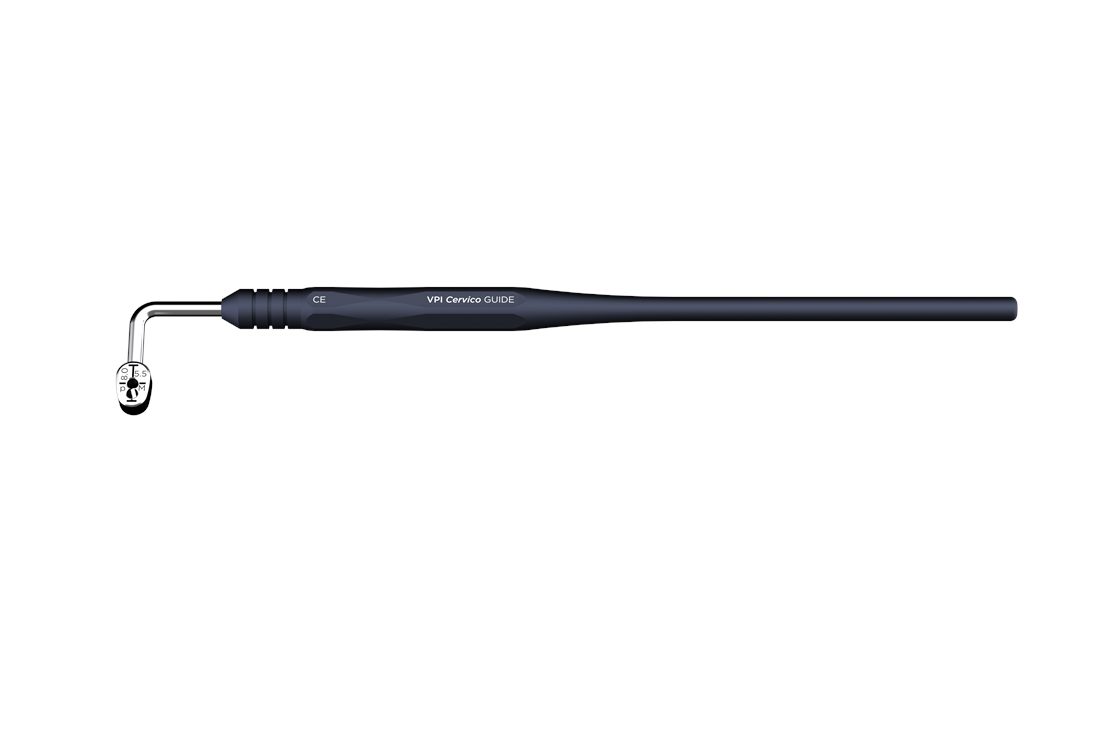
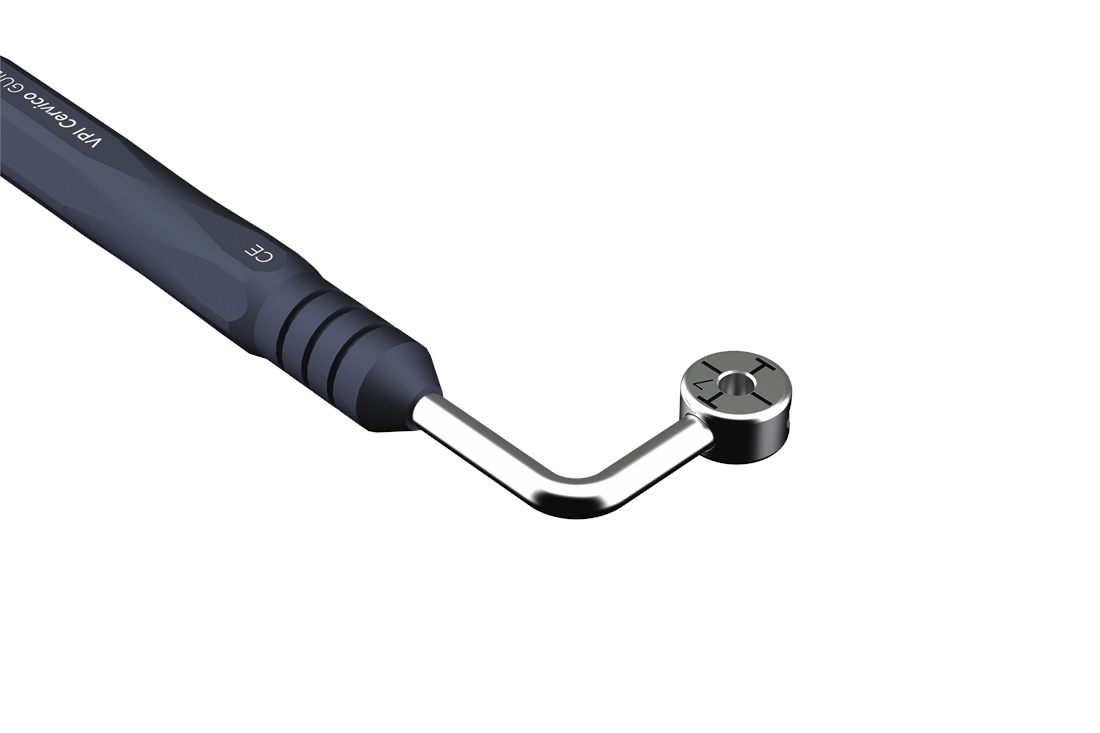
| How the shape is chosen | By eye, in the mouth, while the composite sets | By eye, from the wells on offer (typically three) | Tried in the mouth with the Guide’s tabs before the osteotomy; the tab code names the well |
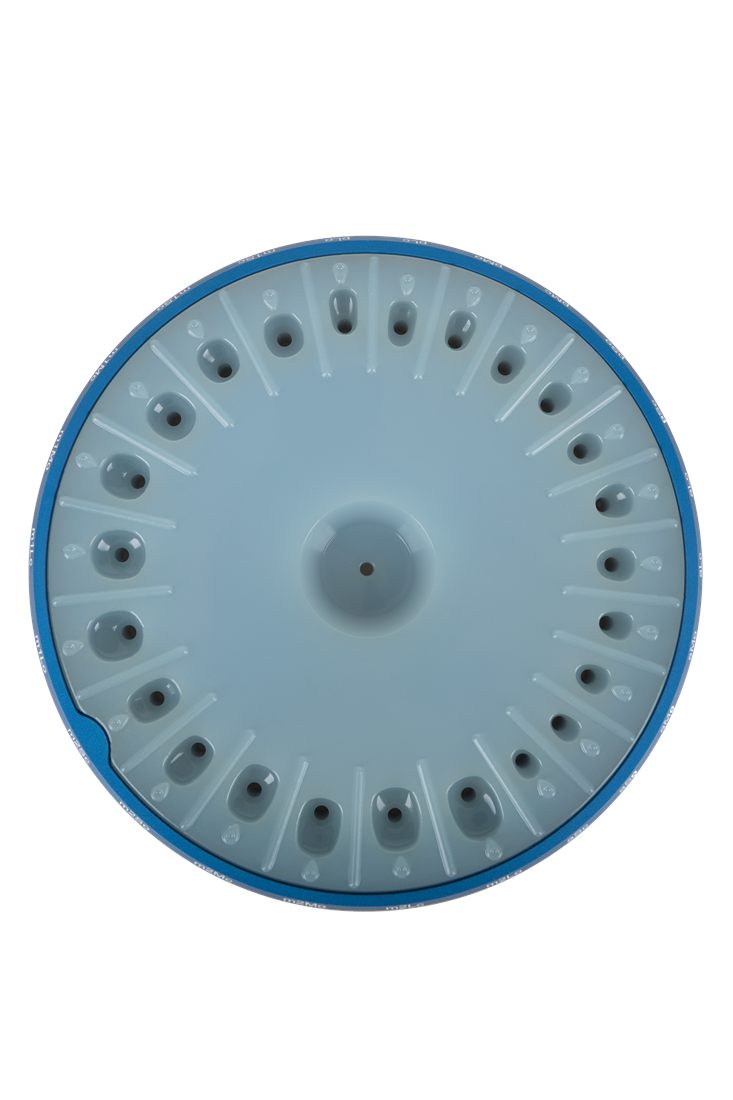
| Shapes and sizes | Unlimited, unrepeatable | Three generic wells, one size | 12 profiles in four tooth groups, three sizes each, plus 12 off-centred wells |
| What else you learn before drilling | Nothing | Nothing | Mesio-distal space, osteotomy position, angulation (pins), depth and tissue thickness (gauge) |
| Insertion depth | Judged by eye | Not controlled | 0 to 3 mm subcrestal, set by insert (Premium) or well set (Essential) |
| Orientation of the connection | Not controlled | Not controlled | Hex facing buccal (Premium); tear-shaped buccal reference on every well (Essential) |
| Impression post | Made freehand again | Approximate | 1:1 duplicate from the duplication well of the Premium Mold |
| Who can make it | The clinician | The clinician | An assistant, in advance (Premium) |
| Sterilisation and life | n/a | Silicone, limited cycles | Aluminium base, autoclavable, interchangeable silicone insert; years of use |
Straight talk. A three-well silicone index costs a fraction of a kit and gives you a better shape than a cylinder. If you place a few implants a year and are happy to judge depth and orientation by eye, it may be all you need. The Cervico Guide and Mold exist for practices that want the same result on every case, from every operator, with the diagnosis done before the drill turns.
What the anatomical library is
The twelve profiles were taken from measured cervical cross-sections of natural teeth: anteriors, premolars, square (first) molars and elongated (second) molars, each in small, medium and large. The Guide carries them as tabs you try in the mouth; the Mold carries the same shapes as wells, with the same codes. The off-centred wells shift each profile buccally or lingually for implants that are not centred under the crown. Every profile is also available as a digital library for CAD/CAM through iCervico.
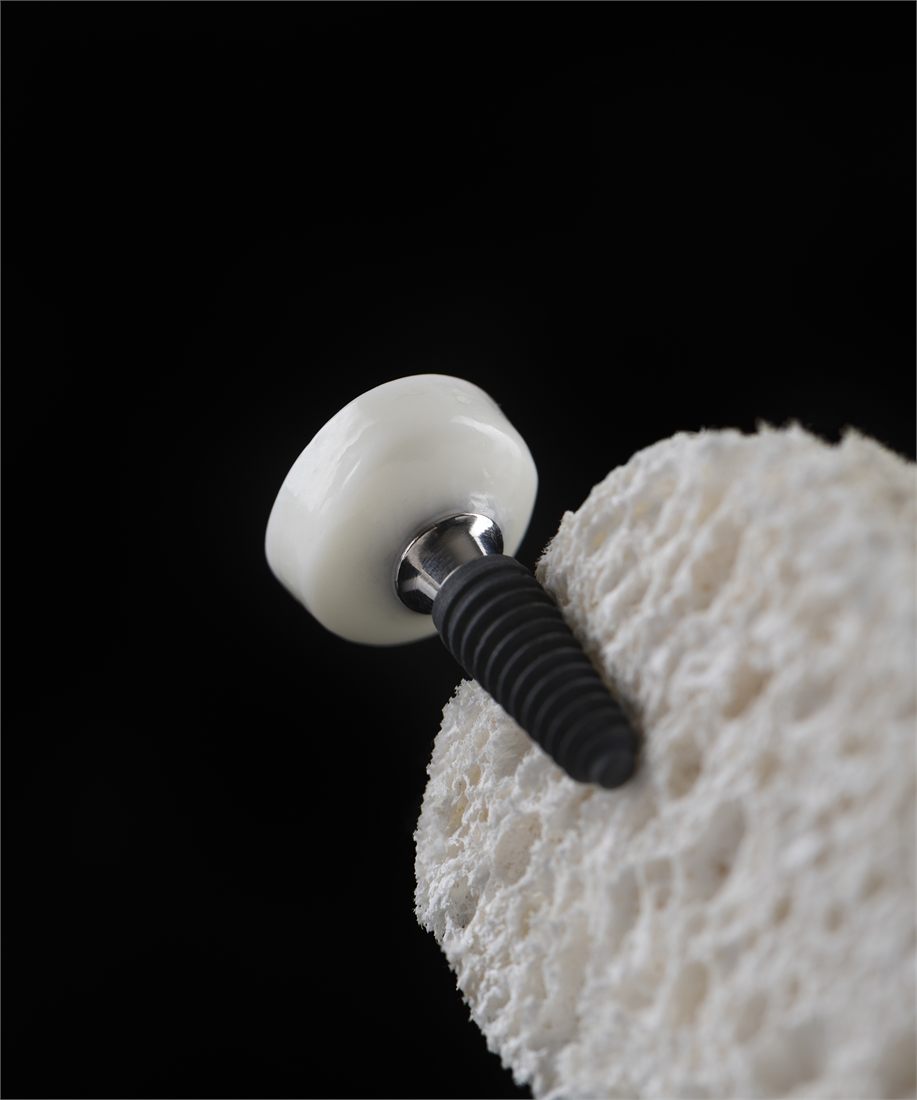
Making one in the Mold
- STEP 01
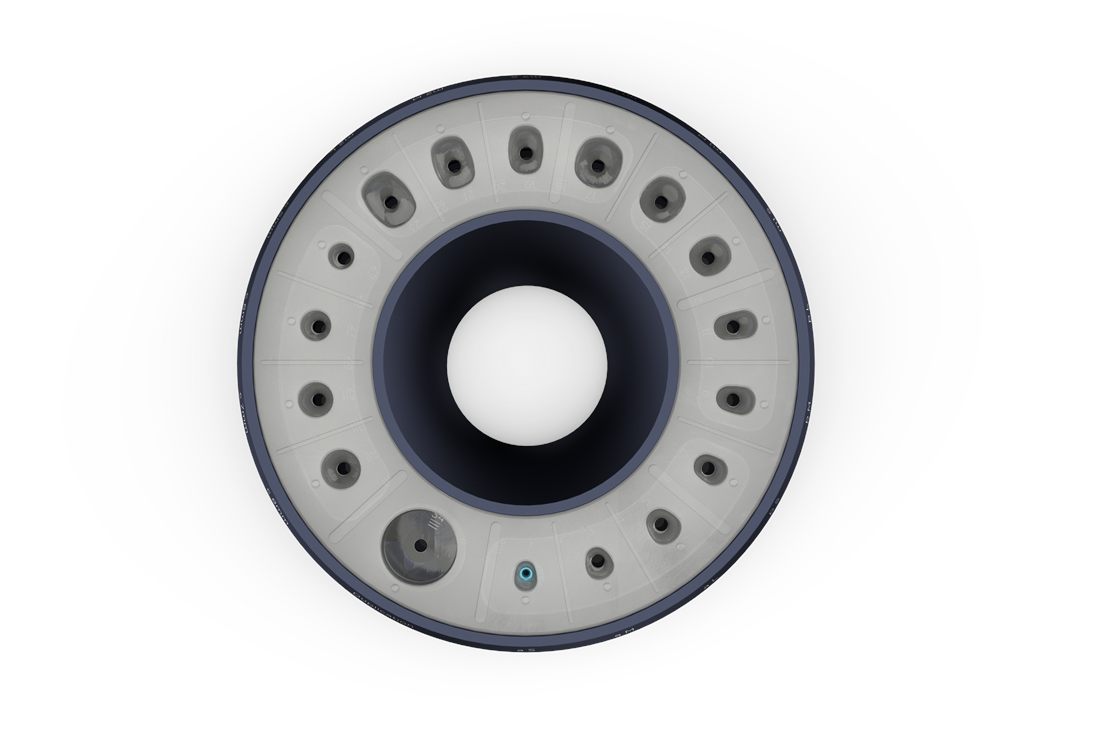
Read the tab code from the Guide. Seat the analog (Essential) or the VPI insert (Premium) in the Mold.
- STEP 02
Thread the temporary abutment into the matching well at the measured depth.
- STEP 03
Inject flowable composite, massage the silicone briefly to release air, light cure.
- STEP 04
Unthread, trim the excess, polish the tissue side, deliver. Under five minutes with practice.
Full instructions and sterilisation are on the instructions page.
Common questions
What is a gingival former?
Another name for a healing abutment: the part screwed into the implant during healing that keeps the gum open and shapes it. Also called a healing cap, healing collar or healing screw. See what is a healing abutment.
What does customising a gingival former mean?
Giving it the cervical shape of the tooth being replaced instead of the round shape it comes with. In practice: flowable composite shaped around a temporary abutment, in a mold, an index, or freehand, then cured and polished.
What is a healing abutment mold or silicone index?
A block of silicone with tooth-shaped wells. A temporary abutment is placed in a well, composite is injected around it and cured, and the abutment comes out with the well’s shape. Simple indexes have three generic wells; the Cervico Premium Mold has an anatomical library, sizes, off-centre wells, depth control and a duplication well.
Can I make my own mold?
People do, from putty around extracted teeth or from a printed model. It works for a shape, and for an occasional case it may be enough. What it does not give you is sizes, a way to pick the profile in the mouth before drilling, control of depth and orientation, or an impression post that matches. Those are what make the result repeatable.
Which composite do I use?
A nano-hybrid flowable composite, cured to the manufacturer’s instructions and polished on the tissue side. The why composite page covers material choice; the instructions for use cover curing and polishing.
Does the Cervico Mold fit my implant system?
The Essential Mold takes any stock implant analog, so any system. The Premium Mold uses a VPI prosthetic connection insert made for your implant’s connection and platform; the compatibility table lists them.