

Guide · implant emergence profile
The implant emergence profile: what it is, when it is decided, and six situations where it goes wrong
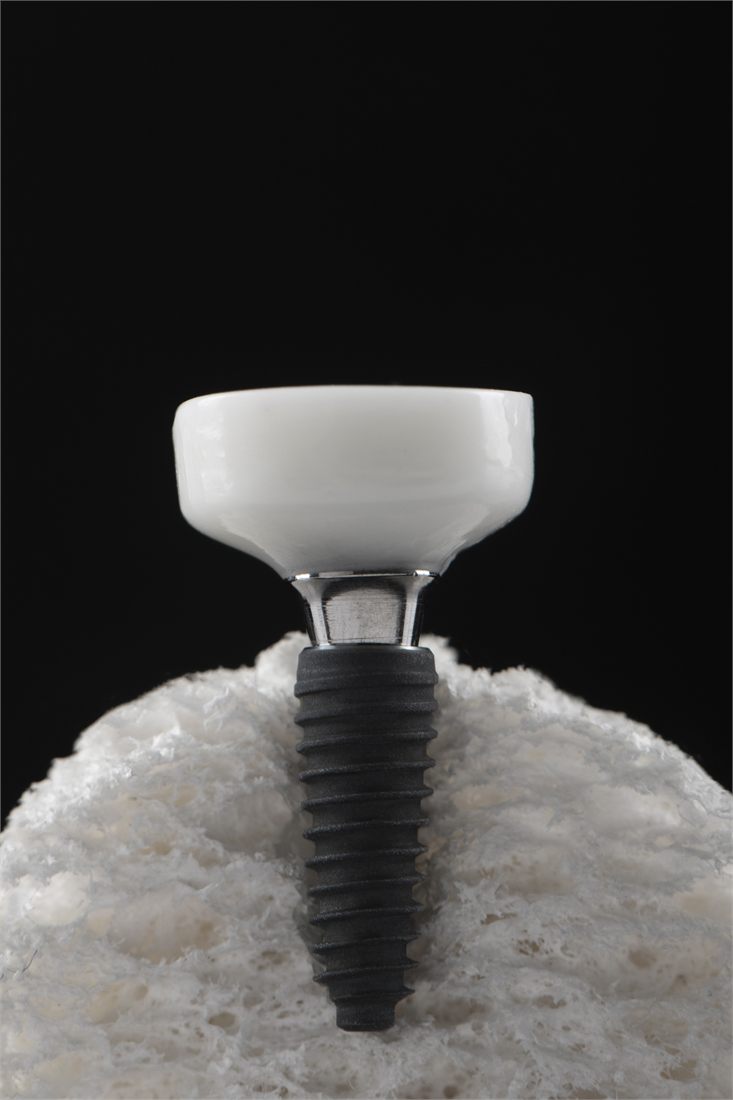
The emergence profile is the shape the crown comes out of the gum with. It is decided during healing, by whatever the soft tissue heals around, not at the impression and not by the lab. This page explains the anatomy in plain terms and walks through six clinical situations where a round healing abutment sets the wrong shape, with the chairside answer for each.
What the emergence profile is
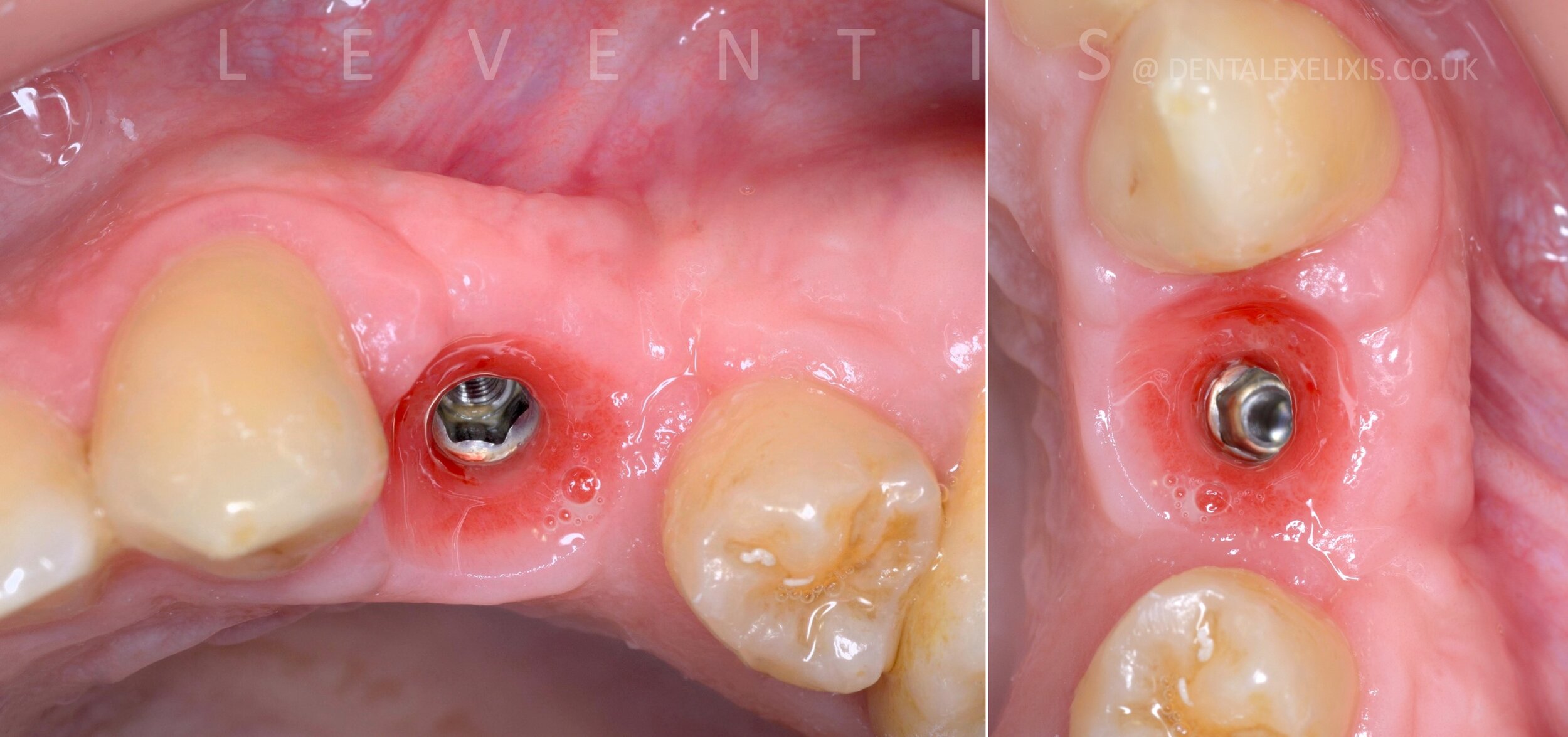
Between the implant platform and the gingival margin the restoration passes through a few millimetres of soft tissue. The shape of that passage, and of the tissue around it, is the emergence profile. Clinicians split it in two: the critical contour just under the margin, which decides where the margin sits and how the papillae look, and the subcritical contour deeper down, which supports or relieves tissue volume. A natural tooth has a specific cervical cross-section for each position: an oval for an incisor, a rounded triangle for a canine, a rounded square for a first molar. The profile of the restoration should match it.
Why it is decided at surgery
Soft tissue heals into the shape of what it heals against. Put a round healing abutment on the implant and, six to eight weeks later, you have a round collar of mature tissue. The final crown then has to be forced through that collar, or ride over it. Put a tooth-shaped abutment on at surgery and the tissue matures around the tooth shape, so at the impression the profile is already there and the lab only has to copy it. That is the whole reason for a custom healing abutment: it moves the decision about the emergence profile to the moment when the tissue is still plastic.
Six situations, and what to do at the chair
From the Emergence Profile Playbook, which expands each of these with clinical photography and two documented cases.
Subcrestal placement
The situation. The platform sits 1 to 3 mm below the crest, for biologic width, a thin crest or aesthetics. The healing abutment has to bridge that depth before it can shape anything.
Where a stock abutment fails. Stock collars come in fixed heights. You choose between a collar that supports the tissue and a margin that sits exposed; neither emerges anatomically from a subcrestal platform.
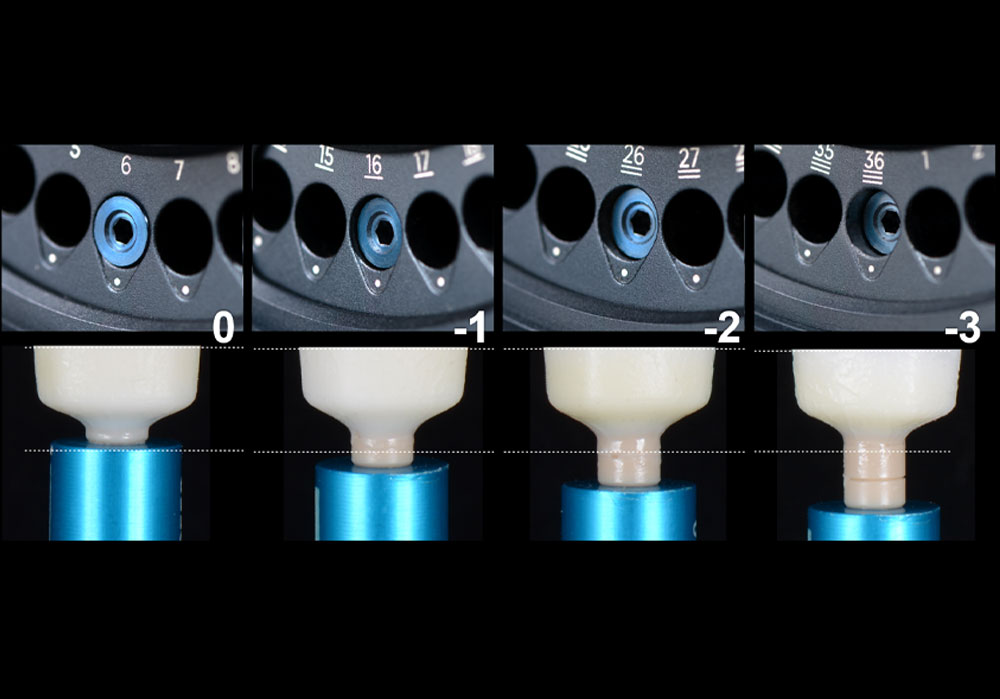
The chairside answer. The Premium Mold sets insertion depth in 1 mm steps through the VPI insert; the Essential Mold covers crestal to 3 mm subcrestal from one set of wells. The abutment emerges anatomically from the platform whatever the depth. Case: 1 mm subcrestal in a deficient site.
Eccentric implant position
The situation. The implant is not centred under the planned crown: the aesthetic zone, narrow ridges, anywhere the bone dictated the position more than the prosthetics did.
Where a stock abutment fails. The collar is centred on the fixture, so the profile is centred in the wrong place. The crown has to cantilever the emergence over tissue that healed around a centred cylinder.
The chairside answer. Off-centred wells shift the anatomical profile buccally or lingually relative to the connection. The Essential Mold has them built in; the Premium Kit includes an off-centred silicone insert with 12 more wells.
Immediate placement in a molar socket
The situation. A multi-rooted socket and a 4 to 5 mm implant. The gap between the two is the problem, and the soft tissue over it has nowhere to go but down.
Where a stock abutment fails. A cylindrical abutment seals nothing. The tissue collapses into the gap, the graft is exposed, and the papillae you had at extraction are gone by uncovering.
The chairside answer. A molar-shaped composite abutment seals the socket on the day and supports the existing architecture. The sealing socket abutment.
Thin buccal tissue or existing recession
The situation. No bone and no soft tissue buccally after a cyst, a fractured root or a failed tooth. The site healed by secondary intention and the buccal wall is a memory.
Where a stock abutment fails. A stock abutment offers the buccal tissue nothing to heal against. Recession is built in, and the usual answer is a connective-tissue graft and a second surgery.
The chairside answer. Composite can be added to or reduced at the chair. Build a convex buccal contour where support is needed, or a concave one where a graft was placed. Case: a deficient buccal site, no graft.
Limited mesio-distal space
The situation. Post-orthodontic sites, congenitally missing laterals, a premolar site closed to 6 mm. The restoration has to fit between two teeth that are not moving.
Where a stock abutment fails. A round collar in a narrow site leaves either open embrasures or crushed papillae, and you find out which at the impression, after the tissue has healed.
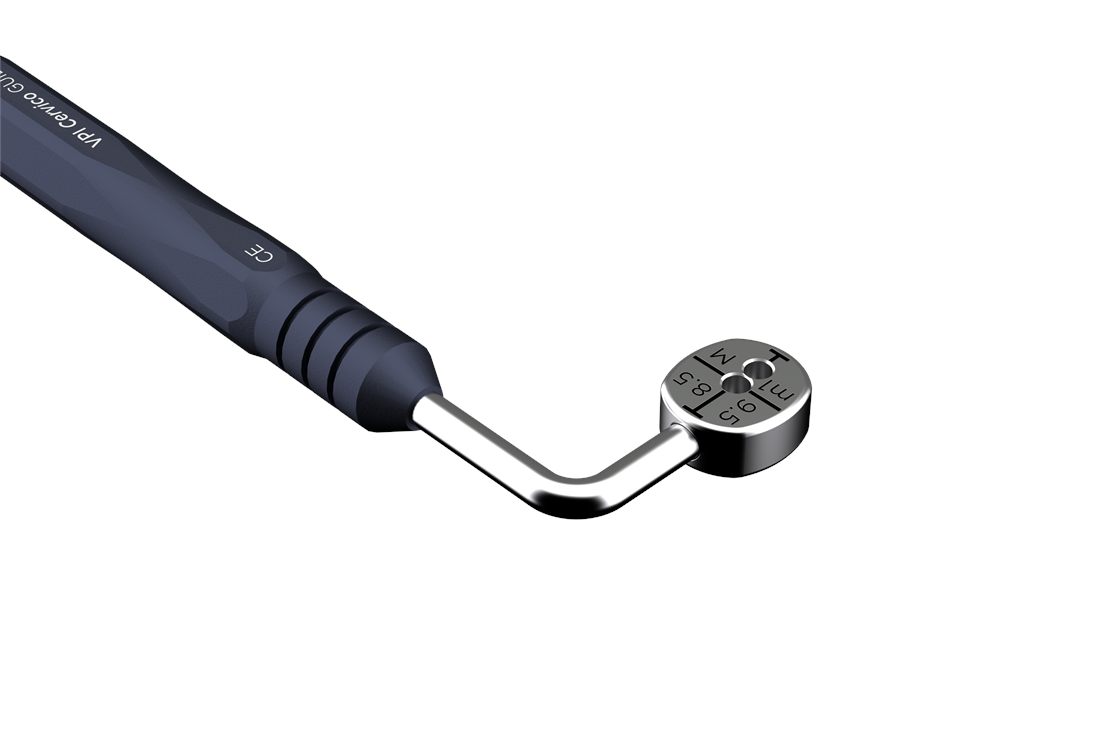
The chairside answer. Measure before you drill. The Guide’s eight cylindrical tabs (5 to 12 mm) confirm the space and mark the osteotomy; the anatomical tabs pick the smallest profile that still supports both papillae. Case: 6 mm after orthodontics.
When the healing abutment has to become the provisional
The situation. Aesthetic zone. The patient wants a tooth today, or the tissue needs a provisional to hold what surgery created.
Where a stock abutment fails. A stock healing abutment and a provisional are different parts. Swapping one for the other disturbs the tissue you just shaped, and the provisional starts from a round collar.
The chairside answer. Composite converts. Build the provisional on the abutment already in the mouth: same emergence, no second insertion. Case: zirconia implant at 22.
How the profile reaches the lab
Shaping the tissue is half the job; the lab has to receive the shape. A duplicate impression post made in the same mold well as the healing abutment carries the subgingival contour into the impression or the scan, so the technician builds the crown to the profile the tissue actually has. With the Premium Mold the duplicate is 1:1, because the insert fixes depth and orientation; the workflow is on how Cervico works.
Common questions
What is the emergence profile of a dental implant?
The contour of the restoration and the soft tissue from the implant platform to the gingival margin: the shape the crown “emerges” from the gum with. It has a subgingival part, formed during healing, and a visible part at the margin. Both are set by whatever the tissue healed around.
When is the emergence profile decided?
Mostly at the surgical appointment and during the weeks that follow. The tissue takes the shape of the healing abutment or provisional it heals against. Changing it later means displacing healed tissue with the crown, or a further surgery.
What is the difference between the critical and subcritical contour?
The critical contour is the part of the emergence profile just below the gingival margin; it decides the level and shape of the margin. The subcritical contour is deeper, towards the platform; it supports or relieves the tissue volume. A custom healing abutment sets both at once; composite lets you adjust either at the chair.
Can the emergence profile be shaped with a stock healing abutment?
Only into a cylinder. A stock abutment is round and one size per platform. Anatomical shaping needs a healing abutment or provisional shaped like the tooth: custom composite, a lab-made part, or a stock anatomical abutment in a fixed shape.
How does the lab receive the emergence profile?
With a duplicate impression post or a scan body made to the same shape as the healing abutment, so the model or the scan carries the tissue contour. Cervico makes the duplicate in the same mold well as the abutment.
Does the emergence profile matter for molars?
Yes. A molar socket is far wider than the implant; a round collar leaves the tissue to collapse into the gap and the crown to be a ridge-lap. A molar-shaped abutment keeps the outline and, at immediate placement, seals the socket. See the sealing socket abutment.